

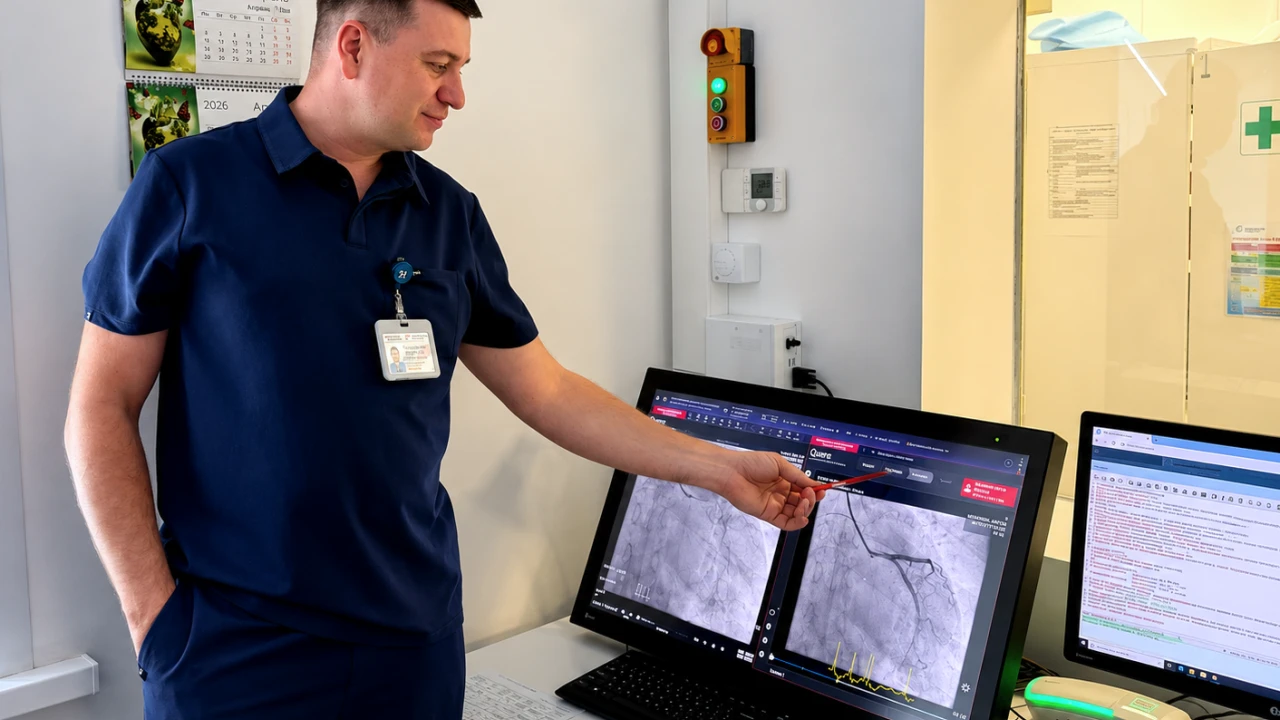
Modern high-tech medicine is demonstrating a steady shift toward minimally invasive procedures, greater precision, and a personalized approach to treatment. A flagship institution for implementing such innovative standards in Kazakhstan is the Medical Center Hospital of the President’s Affairs Administration of the Republic of Kazakhstan, where a next-generation reference center for angiographic technologies has been successfully established. The facility is equipped with the Siemens Artis Icono floor system, representing a fundamentally new stage in the evolution of Kazakhstan’s interventional surgery and enabling highly complex procedures with minimal physical trauma to patients.
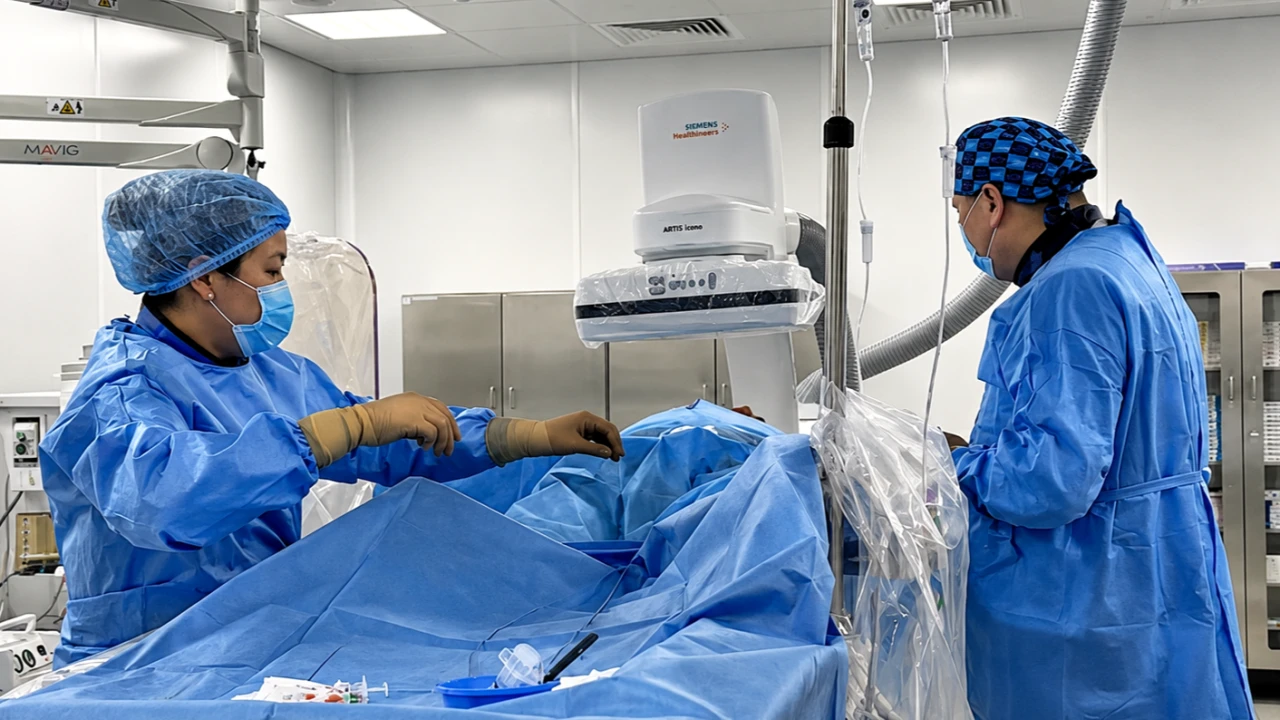
In the context of healthcare modernization, angiographic systems have long evolved beyond traditional X-ray diagnostics, becoming intelligent intraoperative imaging and navigation platforms. Unlike conventional surgical techniques that require traumatic open surgery, modern endovascular interventions are performed through a micro-puncture of the vessel using catheters and guidewires.
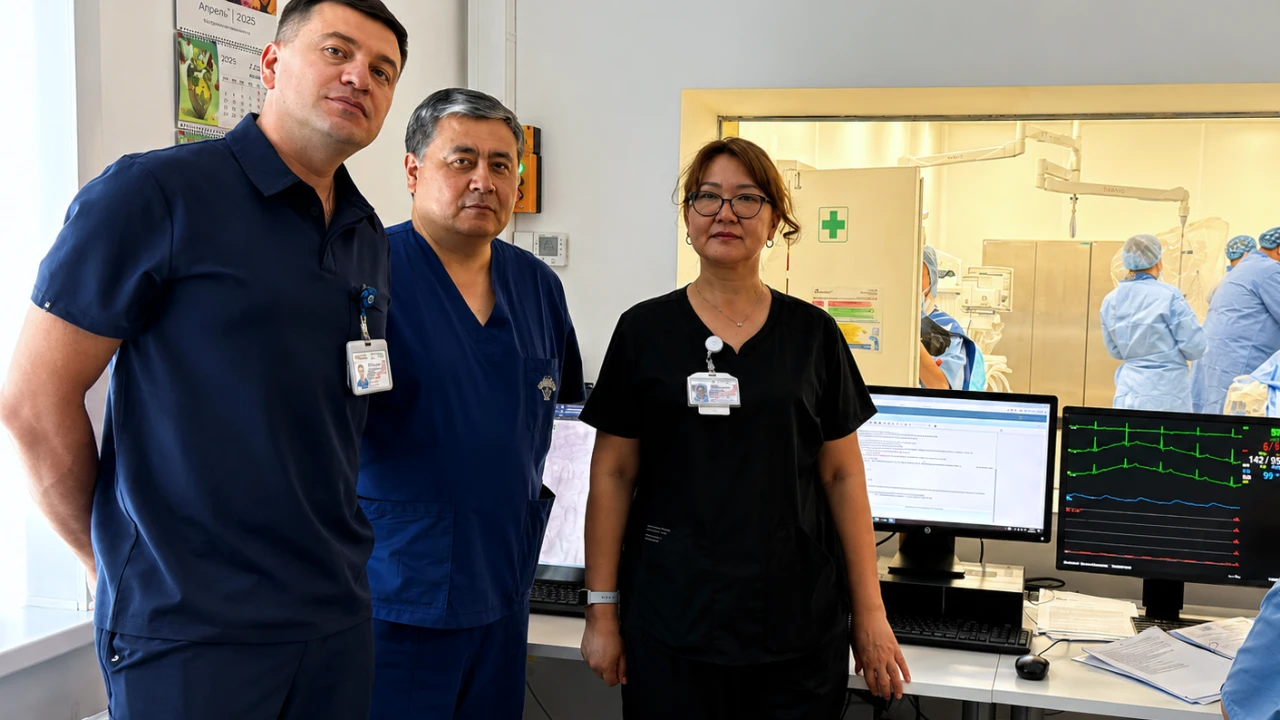
“The main advantage of interventional radiology is its minimal invasiveness. Patients do not require open surgery, general anesthesia is needed less frequently, recovery is significantly faster, and the risk of complications is generally much lower,” notes Alexander Zemlyansky, Head of the Interventional Radiology Department.
From a technological perspective, the process represents a sophisticated high-speed data processing system. Following the introduction of a radiopaque contrast agent into the vascular system, the technology enables real-time visualization of vascular architecture with exceptional detail.
“To put it simply, we visualize the vessels from within and observe them in real time. Advanced angiographic systems provide high-resolution imaging, allow blood flow assessment, and detect even minimal vascular narrowing,” explains Alexander Zemlyansky.
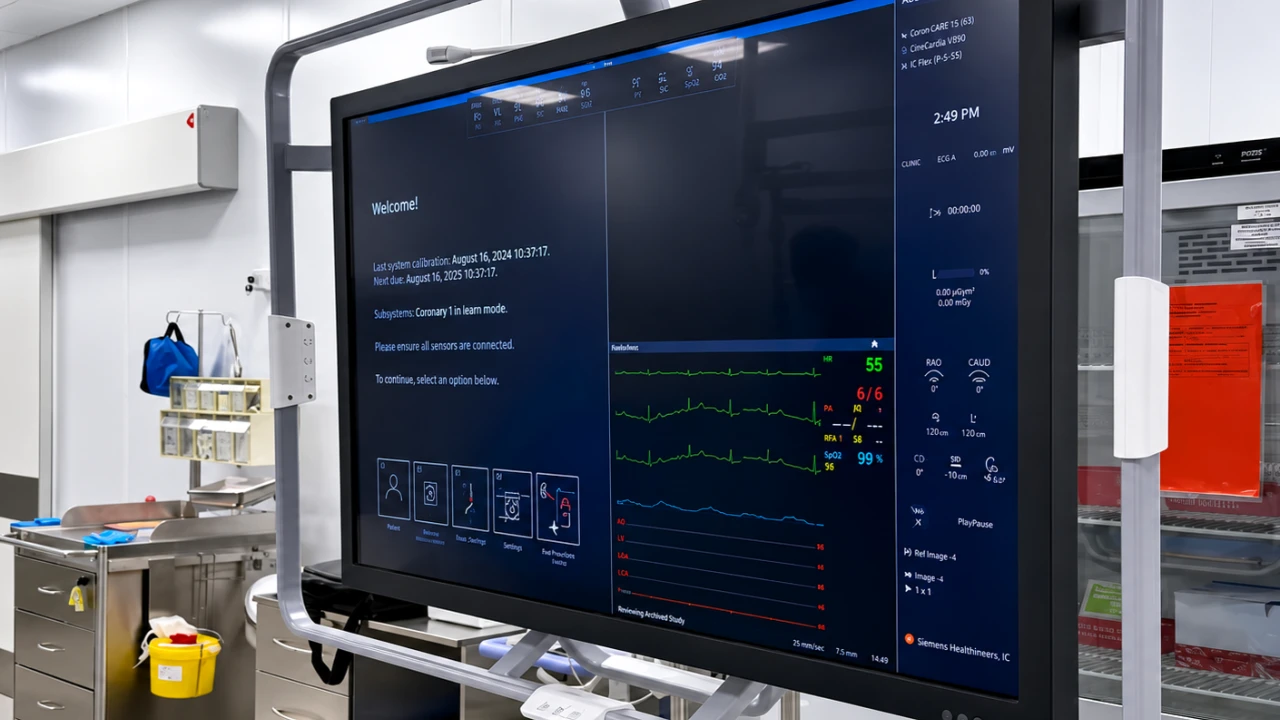
The Siemens Artis Icono floor complex installed at the Hospital is equipped with specialized software packages for cardiac, neurovascular, and peripheral vascular interventions operating within a unified digital environment. One of the center’s key technological innovations is the implementation of the VFFR tool – a non-invasive method for assessing coronary blood flow that enables highly accurate evaluation of the functional significance of vascular lesions without additional invasive procedures.
In addition, the equipment is fully integrated with the Hospital’s PACS system. This integration makes it possible to combine angiography data with CT and MRI results directly during surgery, providing multimodal 3D navigation and significantly expanding the capabilities of the surgical team in technically and diagnostically complex clinical cases.
“Interventional radiology and interventional cardiology are developing very rapidly today. New instruments are emerging, imaging systems are improving, navigation technologies are being introduced, and patient protection against excessive radiation exposure is advancing. Today we are able to perform procedures that 10-15 years ago were considered impossible or extremely risky,” emphasizes the Head of Department. These technologies are of particular social and medical importance for high-surgical-risk patients – elderly individuals and patients with severe comorbid conditions, for whom traditional open surgical access carries critical life-threatening risks.
The Medical Center Hospital of the President’s Affairs Administration of the Republic of Kazakhstan views this reference center not only as an advanced clinical platform but also as a unified scientific and educational environment. The center is intended to serve as a hub for the transfer of innovative medical technologies, advanced training for domestic specialists, and the dissemination of global best practices. The implementation of such large-scale technological capabilities clearly demonstrates how the synergy of engineering innovation and the extensive clinical expertise of physicians contributes to the strategic goal of preserving public health, improving quality of life, and increasing the life expectancy of the people of Kazakhstan.